

We've all had it happen before: waking up with a burning forehead, feeling like your arms and legs are made of lead, and even going to the kitchen for a glass of water feels like a climb up a mountain. If you're feeling exhausted and your temperature rises, the question you may ask is, whether this is just a seasonal flu that'll pass with a rest or something much more serious? Knowing about fever, weakness and fatigue when to consult a doctor can save you days of unnecessary suffering and protect you from dangerous complications. One of the most frequent complaints that doctors receive is body exhaustion and fever. Many mild fevers resolve spontaneously within a few days, but in combination with severe weakness, fever may also be an early manifestation of dengue fever, typhoid fever, chest infection or nutritional deficiency. This guide explains what is going on in your body, why you should never ignore some symptoms, home care tips and when you need to consult a doctor for fever treatment in Jaipur.
Quick Takeaways
- Your Body is Working Overtime: When you're feeling feverish and tired it is not a random bad luck; it indicates that your immune system is busy in the fight against an infection.
- Do not "wait it out" if a fever persists for more than 72 hours (3 days) – follow the 3-Day Rule. Make an appointment with a general physician in Jaipur.
- Seek Emergency Room attention immediately if you have trouble breathing, extreme dizziness, a stiff neck, constant vomiting or tiny red/purple spots on your skin.
- Do Not Self-Medicate: If you have some leftover antibiotic or pain medication (such as ibuprofen) that you did not need, do not use it without talking to a doctor. Some analgesic medicines may cause internal bleeding in diseases such as dengue.
- Simple Blood Tests Give Clear Answers: The simple complete blood count (CBC) or viral test can help identify the root cause of your illness so you can receive the appropriate treatment in less time.
Why is it that fevers, weakness and fatigue occur simultaneously?
Ever wonder why your body gets drained of energy when you have a fever? It's not only in your head, it's actually in your brain.
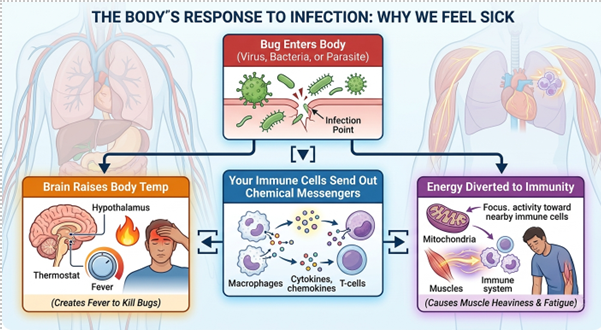
Your brain resets your body's thermostat.
Your immune cells recognize an unwanted germ (such as a virus or bacteria) and trigger natural chemical messengers to combat it. These messengers reach your brain in a particular place, the hypothalamus, your internal thermostat.
Your brain raises your temperature, thus the fever. Most viruses and bacteria grow best at normal body temperature 95°F (35°C). Your body is making an environment that is not conducive to the multiplication of germs.
All of your “Battery Power” is redirected to your body.
When you're ill, you need a lot of energy to fight off the disease. Your immune system takes energy from your muscles, brain and digestive system to expend in your white blood cells.
This energy loss results in:
Muscle Weakness: You are using a small amount of protein in your muscles as fuel for immune cells, making your arms and legs heavier and sore.
Mental and Physical Fatigue: Your brain tells you to slow down, be careful, sleep and use all the energy you have to fight the illness.
To put it simply: Tiredness is your body's attempt to get you to rest so you can heal.
Common Causes: "Why Am I Hot and Wiped Out?
Many health problems come with a sudden onset of fever and fatigue. Knowing the most common causes can help you know what to expect.
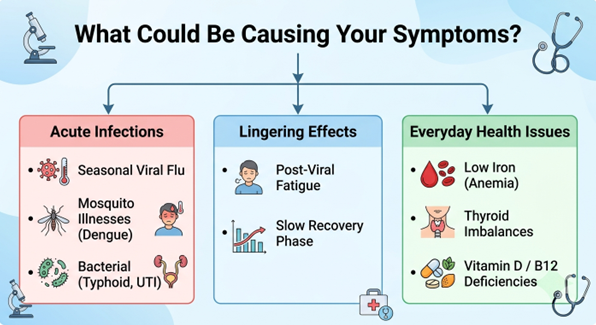
Fever Brought on by Seasonal and Mosquito-Borne Fevers
Mosquito and viral fevers are very common in many parts of India particularly after the monsoon or during a change in weather.
Dengue Fever:Dengue may start suddenly with a high fever, very bad headache, bad pain behind the eyes and very bad joint and muscle pain (also known as "breakbone fever"). It's well known for causing severe, sudden weakness.
Malaria: Malaria typically presents with periodic episodes of high fever, shivering, chills and heavy sweating.
Chikungunya: The infection is similar to Dengue and results in high fever and intense pain and swelling in the joints making movement difficult.
Common Flu and Viral Infections: Classic viral fever symptoms include a scratchy throat, runny nose, dry cough, mild chill and aches all over.
Common Bacterial Infections
Bacterial infections do not typically resolve on their own and typically require antibiotics.
Typhoid Fever: Food or water contaminated with Typhoid bacteria causes Typhoid Fever. It causes a gradual rise in temperature with each passing day, has abdominal pain, headache, intense tiredness and a white coated tongue.
Urinary Tract Infections (UTIs): A UTI may cause a sudden fever, discomfort in the lower belly, a burning sensation during urination and an unexpected surge of fatigue.
Chest and Throat Infections: Infections of the throat (such as strep throat) or chest (such as pneumonia) can result in high fevers, difficulty swallowing or coughing and exhaustion.
Post-viral fatigue is an after-effect that can leave you feeling weak after the fever has passed
Have you ever had a fever and then been unable to make it a whole flight of stairs 2 weeks later?
This is known as post viral fatigue syndrome. Once the virus is over, it takes time for your cells and immune system to replenish its normal energy stores. The Centers for Disease Control and Prevention (CDC) recommend that recovery from the infection may take from several days to several weeks depending on your overall health, hydration and nutrition.
Hidden/long term health conditions
If there's a day in and out of work because of a low-grade fever (99.5°F to 100.5°F), plus constant fatigue, your problem could be more than just a seasonal cold:
Thyroid Issues: With an inflamed thyroid, symptoms may include mild fever, rapid heartbeat, neck pain, and fatigue.
Weakened Immune System: Low levels of Iron, Vitamin D3 and Vitamin B12 mean that minor infections feel overwhelming.
Autoimmune Conditions: Lingering joint pain, mild fever and deep fatigue are possible symptoms of autoimmune problems that involve your immune system recognizing healthy tissues as a threat (such as arthritis or lupus).
When is it an emergency? Identifying the warning signs that you shouldn't ignore.
For most fevers, resting and fluids are sufficient to manage the fever, while a few need urgent medical attention.
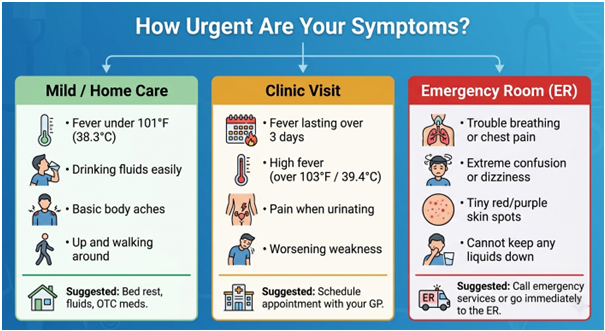
Signs of urgent concern (Red Flags).
If you or someone you love is experiencing any of the following "fever red flag" symptoms, do not attempt home remedies, just go straight to the hospital emergency room:
Breathing Difficulties:Quick and/or shallow breathing, difficulty breathing while resting, or bluish lips/fingertips.
Confusion or Extreme Drowsiness:Difficulty in waking up, slurring words, sudden confusion or extreme dizziness while standing up.
Bleeding Signs:Key signs of platelet depletion in dengue are bleeding in the skin (in the form of tannies, red or purple spots) and other unexplained bruising, nose bleeds, gums that bleed and black coloured stools.
Severe Dehydration:Urine output has not started within 6-8 hours, no urination for more than 6-8 hours, has not been able to take any fluids because of constant vomiting.
Stiff Neck and Light Sensitivity:This is a severe headache with a restricted ability to bend your chin to your chest.
Easy Symptom Checker Table
| What You Feel | Possible Reason | What You Should Do |
|---|---|---|
| Mild fever 101°F, runny nose, mild tiredness | Common seasonal cold or minor viral bug | Rest at home, drink plenty of water and warm fluids, take paracetamol if uncomfortable. Observe for 2–3 days. |
| Fever over 102°F (38.9°C) for 3+ days, heavy cough, severe fatigue | Bacterial infection, Typhoid, or Flu | Book an appointment with a doctor for fever in jaipur for proper evaluation and testing. |
| Sudden high fever, severe pain behind the eyes, intense back/leg pain | Suspected Dengue, Chikungunya, or Malaria | Visit a clinic for a blood test (CBC and platelet check) within 24 hours. |
| Fever with breathlessness, confusion, skin spots, or constant vomiting | Severe Dengue, Sepsis, or critical infection | Go to an emergency room immediately. Do not wait. |
Safe vs. Expensive: What You Don't Want to Do!
As you wait for medical help or stay at home, practising good simple and safe habits will help you get better more quickly.
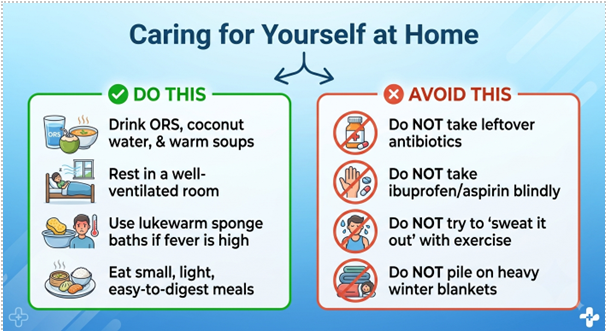
The things you should do at home.
- Drink water with electrolytes more important than plain water: If you have a fever, you lose water and important body salts through sweat. Rehydrate in the form of Oral Rehydration Salts (ORS), coconut water, clear dal soups or lemon water with a pinch of salt to keep energised and hydrated.
- Choose the Right Fever Medicine: Paracetamol is usually the first drug of choice to help with a fever. Take as directed on the package or as recommended by the doctor, do not double doses.
- Lukewarm sponge baths: If the temperature is very high, running a cloth under the head, neck and arms under lukewarm (room temperature) water will help reduce a fever more comfortably. Do not use ice cold water; it may lead to violent shivering and cause a rise in the body temperature.
- Eat Light, Frequent Meals: When you are sick, your stomach will take longer to break down food. Eat simple foods that are easy to digest such as khichdi, porridge, plain toast and boiled vegetables.
Here are 3 major mistakes to avoid.
- 1: Using leftover antibiotics. Antibiotics are only effective against bacteria and have no effect on viral diseases such as the flu, colds or dengue. They are harmful to your gut if taken without prescription and may cause drug resistance.
- 2: Giving Ibuprofen & Aspirin for an unknown fever. When your fever turns out to be dengue fever, you should avoid using medications like ibuprofen, diclofenac or aspirin, as they can thin the blood and lead to potentially serious bleeding problems. Continue taking paracetamol as prescribed, unless otherwise directed by your doctor.
- 3: Heavy exercise to "Sweat It Out". Exercise during a fever is hard on your heart, double your loss of fluid in your cells, and doubles recovery time.
What happens at the Clinic? To learn how to interpret your blood tests.
If you continue to have a fever and fatigue, a healthcare provider will conduct a few basic tests to get a good idea of what's happening.
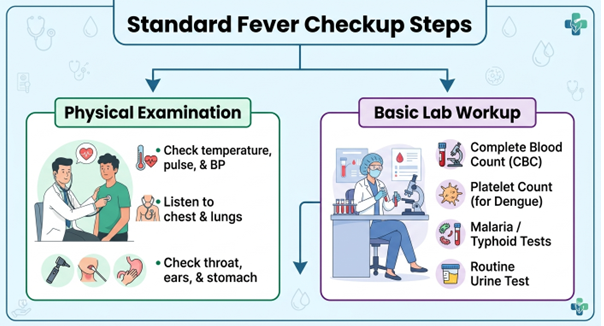
Simple explanation of common fever tests:
When you have had a fever, a blood test is a good way for your doctor to narrow down on the actual problem instead of just making an assumption:
Complete Blood Count (CBC): This measures your red blood cells, white blood cells (your body's defense against infection) and platelets. An elevated white blood cell count is indicative of a bacterial infection, and a low white blood cell level may indicate a viral infection.
Platelet Count: It is important throughout the dengue season. Platelets assist your blood to clot, and monitoring them makes sure that your blood level is safe.
Dengue & Malaria Tests: Rapid antigen tests & slide tests to check for presence of any parasite or virus in your blood from mosquito bites.
Typhoid Test (Widal or Typhidot): Detects antibodies and bacteria associated with food or water borne enteric fever
Urine Test: Rapid and painless test to exclude a hidden UTI.
If you need these test results, you can obtain them from a quality healthcare center that has its own lab and diagnostic center, and you will not have to wait for the results any longer to begin the proper treatment.
When the weakness remains: discovering other causes of chronic weakness.
Once your fever has subsided your doctor will investigate further to find out other causes of chronic fatigue a month later, if you still feel exhausted.
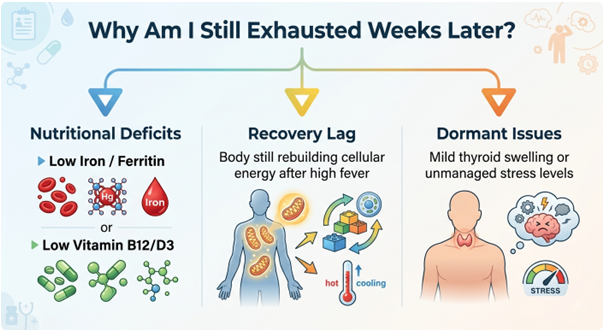
Nutritional Depletion: During a high fever, the body expends its Zinc, Iron and B-Vitamin stores. A straightforward nutritional supplement routine can aid revitalize your vitality.
Low blood pressure or dizziness on standing: After a prolonged illness some people have a brief period of low blood pressure on standing. This is usually treated with extra fluids and rest.
Fatigue lasting more than a month, along with weight changes, hair loss or feeling very cold may be a sign of thyroid or hormone changes, and a simple blood test can clarify.
The World Health Organization (WHO) provides useful information on post-illness recovery for detailed guidance on the length of time that long-term fatigue is assessed throughout the world.
Getting the Right Medical Care in Jaipur
If you have a high fever and suddenly feel physically weak, you don't want to have to travel between diagnostic centres, pharmacies and clinics. If you select the right general medicine hospital in Jaipur, you will receive all services in a single place.
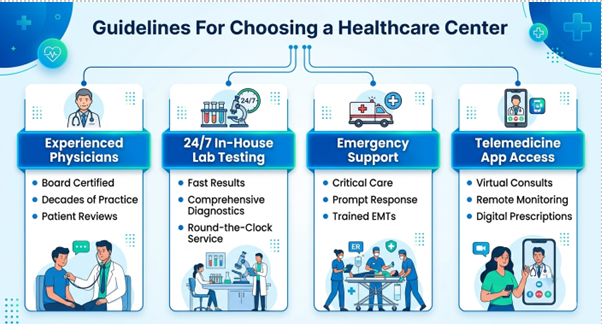
While selecting a place for fever treatment in Jaipur consider the following:
An experienced Doctor: A best general physician in Jaipur who has the experience of handling cases and can easily discover the cause of the symptoms.
Quick Diagnostic Turnaround: On-site pathology labs that provide same-day blood test results so that you don't have to wait around.
Emergency Preparedness: 24/7 emergency and trauma care in case the fever climbs too high at night.
Online Consultations: The JVH E-Consultation App allows you to speak to a qualified doctor from the comfort of your home when you are not feeling up to visiting the doctor's office for a checkup or follow-up.
You can find this complete package at hospitals such as Jaipur Vatika Hospital located in Ajmer Expressway, Jaipur, where you can have all the experienced general physicians, round-the-clock lab testing and emergency support under one roof.
Conclusion
Your body is telling you loud and clear that you need to take steps to protect yourself, when you have a fever, weakness and feeling tired. Most seasonal fevers will pass with basic home care, plenty of fluids and adequate rest, but never ignore a fever that won't go down, excessive fatigue, or signs or symptoms of a fever that could be dangerous such as difficulty breathing, rashes, or spots.
By taking the time to listen to your body and seeking advice from a knowledgeable general physician in Jaipur, you can receive an accurate diagnosis early, prevent the onset of dangerous conditions and recover in a swift and secure manner.
Need Quick Medical Advice?
Don't try to treat yourself or your family member's symptoms with a home remedy if you or your family member has a persistent fever, sudden weakness or a worsening fatigue. Come to the Jaipur Vatika Hospital for holistic clinical treatment, and have a 24/7 clinical diagnosis or book an instant online appointment on JVH's E-Consultation App to consult with a physician today.
faq.faqs
faq.faqs-subheading
If fever persists for more than 72 hours (3 days), is greater than 102F (38.9C), accompanied by symptoms such as severe dizziness, difficulty breathing, a rash or vomiting, it is important to seek medical attention. If the person is an infant, elderly or has diabetes or heart problems, seek medical attention within 24 hours.
This is very common and referred to as post-viral fatigue. When you're sick of a bug, your body is using a lot of energy and nutrients. The muscles and cellular energy level should return to normal within 1-2 weeks provided good rest, hydration and nutritious diet is observed.
Yes. Most people experience unusual fatigue, heaviness of body, slight headache or vague backache the day before the onset of high fever. When the dengue is spreading in the neighborhood, and you experience sudden tiredness, keep a close watch on your body temperature and rest.
No. Most fevers and sore throats are due to a viral infection. Antibiotics will not help with a viral infection. Antibiotics that are taken without a prescription may lead to stomach upset, diarrhea and resistance to the antibiotic over the years. Only prescription antibiotics are to be used when a doctor has confirmed a bacterial infection.
A Complete Blood Count (CBC) will be ordered by a doctor to monitor white blood cells and platelets. They may also suggest certain tests such as Dengue NS1/IgM, Rapid Malaria Test, Typhoid Test, and routine urine examination based on the symptoms and the season.